Darknet Markets 2026:
The dark web is part of the deep web but is built on darknets: overlay networks that sit on the internet but which can't be accessed without special tools or software like Tor. Tor is an anonymizing software tool that stands for The Onion Router — you can use the Tor network via Tor Browser.
| Darknet Market | Established | Total Listings | Link |
|---|---|---|---|
| TorZon Market | 2022 | 140+ | Onion Link |
| Nexus Market | 2024 | 600+ | Onion Link |
| Abacus Market | 2022 | 100+ | Onion Link |
| Ares | 2026 | 100+ | Onion Link |
| Cocorico | 2023 | 110+ | Onion Link |
Updated 2026-07-28
A Reliable Link for Easy Darknet Shopping
Direct access to a stable darknet platform is foundational for its utility. The Nexus market link provides this consistent entry point, acting as a reliable gateway that mitigates the common issue of fluctuating accessibility. This reliability is engineered through a resilient infrastructure employing mirror links and a rotating list of official URLs, often distributed via forums or dedicated link repositories. The architecture is designed to counteract external disruptions, ensuring that users can reach the marketplace with minimal downtime. This operational stability is not incidental but a core feature of its service model, facilitating uninterrupted browsing and commercial activity.
The process for obtaining a current link is streamlined. Users typically verify the link's authenticity through PGP signatures or community-driven trust lists before proceeding. Once a valid Nexus market link is secured, it enables immediate engagement with the platform's full suite of features. The interface encountered is purpose-built for clarity, allowing intuitive navigation through product categories and vendor profiles. This design philosophy reduces friction, making the platform accessible even to those with limited technical expertise, and directly supports its primary function as a commercial hub.
From a transactional perspective, this reliable access underpins the entire purchasing workflow. A stable connection is necessary to:
- Review detailed vendor feedback and product listings.
- Communicate securely using internal encrypted messaging systems.
- Initiate and finalize transactions within the integrated escrow system.
A Simple Shop for Buying Drugs on the Darknet
The Nexus market link provides a direct and stable gateway, functioning as the essential entry point to the platform's optimized environment. This access mechanism is engineered for reliability, minimizing connection delays and ensuring consistent availability for users. Upon entry, the interface presents a layout familiar to users of conventional e-commerce sites, which significantly lowers the barrier to entry. The design philosophy prioritizes intuitive navigation, with a clean categorization system and a responsive search function that allows for efficient product discovery.
Product listings are comprehensive, featuring clear images, detailed descriptions of substance purity and weight, and transparent pricing. The purchasing process is streamlined into a few logical steps: selection, cart review, and checkout. This procedural clarity reduces user error and builds confidence, especially for new participants. The system integrates vendor selection and feedback review seamlessly into the browsing experience, allowing for informed decision-making before any commitment is made.
The checkout procedure incorporates integrated escrow services by default, securing the funds until the buyer confirms satisfactory receipt of the product. This automated integration of financial security is a cornerstone of the platform's operational trust. Communication channels between buyer and vendor are built directly into the interface, facilitating discreet negotiation and order clarification without requiring external tools. The cumulative effect of these design choices is a digital marketplace that normalizes the transaction process, making the procurement of substances a matter of routine e-commerce activity focused on efficiency and user security.
How Reviews Make the Darknet Work
The operational integrity of a darknet marketplace is fundamentally dependent on its reputation system. On platforms like Nexus, the vendor feedback mechanism functions as a decentralized and self-regulating quality assurance protocol. Each completed transaction can be followed by a buyer's review, which typically includes a detailed assessment of product quality, shipping speed, stealth packaging, and communication. This creates a transparent and continuously updated ledger of vendor performance.
This system directly builds transactional trust in an environment where legal recourse is absent. New users can analyze a vendor's history, observing consistency over hundreds of sales. A vendor with a long-standing high rating and positive feedback demonstrates reliability, reducing the perceived risk for the buyer. Conversely, a sudden influx of negative reviews serves as an immediate community alert, potentially flagging exit scams or a drop in product standards. The feedback is not limited to simple ratings; written testimonials often contain specific data points about purity, weight accuracy, and delivery times, providing a richer dataset for informed decision-making.
The aggregate effect of this process fosters a stable community ecosystem. Vendors are economically incentivized to maintain high standards to preserve their reputation, which is their primary business asset. This leads to a competitive environment where quality and service are paramount. Buyers, in turn, gain confidence to participate in the market, knowing their experiences contribute to collective security. The feedback loop thus creates a form of organic governance, where trust is not mandated by a central authority but emerges from the aggregated, verified experiences of all participants, reinforcing both market stability and community cohesion.

How Escrow Makes Darnet Drug Trade Safer
The escrow system is a fundamental component for secure transactions on a darknet platform. It functions as a neutral third-party service that holds the buyer's cryptocurrency payment until the ordered goods are received and confirmed. This mechanism directly addresses the inherent trust deficit in anonymous environments, creating a balanced and secure framework for exchange.
Operationally, the process is streamlined. Upon order placement, funds are locked in escrow by the platform. The vendor is then notified to ship the product. Only after the buyer confirms delivery does the escrow release the payment to the vendor. This process protects both parties:
- Buyers are shielded from vendor fraud, as payment is only released upon satisfaction.
- Vendors are assured of secured funds, incentivizing reliable shipping and reducing the risk of fraudulent chargebacks.
The system's effectiveness is enhanced by integrated dispute resolution. If issues arise, such as non-delivery or product quality disputes, moderators can review communication and evidence before adjudicating the escrow funds. This formalized process reduces conflicts and encourages professional conduct, as a vendor's ability to receive timely payments is tied to their performance and reputation.
Ultimately, escrow services transform anonymous darknet trade from a high-risk endeavor into a structured marketplace. By mitigating financial risk, they foster transactional trust and enable a stable economic environment where commerce can proceed with greater predictability and security for all participants.
A Stable Platform for Secure Darknet Commerce
The operational stability of a darknet marketplace is a direct function of its underlying platform architecture. For users seeking consistent access via a Nexus market link, this technical foundation is critical. The architecture employs a distributed server infrastructure, often utilizing bulletproof hosting and frequent node rotation to mitigate the risk of single points of failure. This design ensures that the platform maintains high uptime and availability, even under potential stress, providing a reliable environment for commerce.
This resilience is complemented by a layered security model. The platform integrates end-to-end encryption for all communications and transaction details, which are never stored in a vulnerable, centralized database. Financial operations are handled through a segregated wallet and escrow system, where funds are held in secure, multi-signature contracts until order fulfillment. This separation of core functionslisting, communication, and financeinto distinct, protected modules enhances overall system integrity.
The user experience is streamlined through a load-balanced network that efficiently directs traffic, preventing bottlenecks during peak activity. This results in consistent page load times and a smooth browsing experience, which is essential for maintaining user engagement and trust. The architecture's design priorities include:
- Redundant data storage to prevent loss of vendor and product listings.
- Automated backup systems for user data and transaction histories.
- Proactive mitigation of distributed denial-of-service (DDoS) attacks.
Ultimately, this sophisticated yet user-transparent architecture creates a stable operational base. It allows the marketplace to scale, adapt to user demand, and provide the consistent, secure access point that is fundamental for sustained activity and community growth on the darknet.
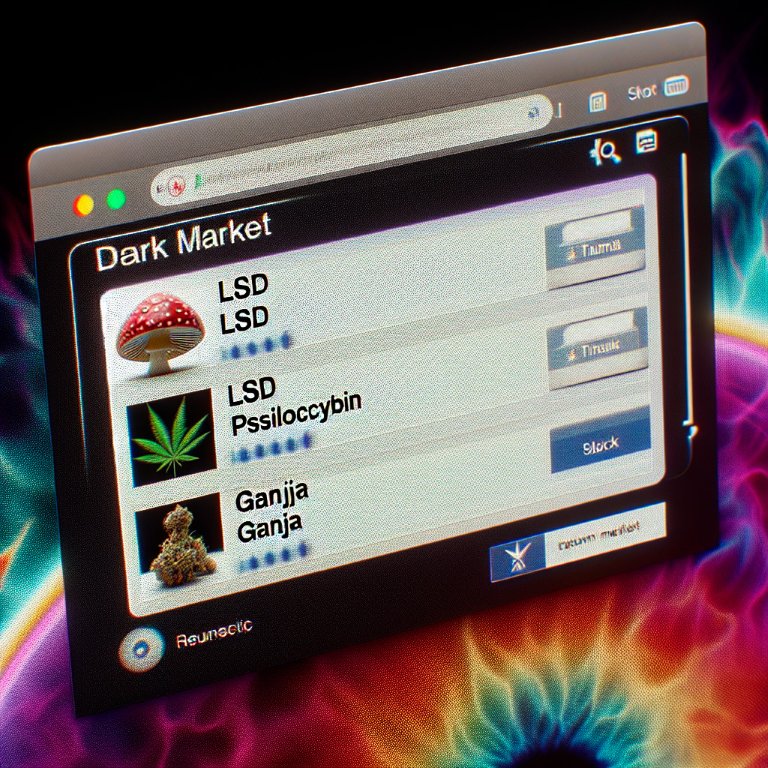
A Wide Selection of Products on the Darknet
The operational success of a darknet platform is fundamentally linked to the breadth and quality of its available inventory. A diverse product catalog serves as a primary driver for user engagement and market liquidity, directly addressing the varied demands of its user base. This variety is not merely a matter of quantity but reflects a sophisticated understanding of consumer needs, ensuring that the platform remains a comprehensive destination for procurement.
The catalog typically encompasses several core categories, each fulfilling specific user requirements:
- Pharmaceuticals and research chemicals, ranging from well-known prescription medications to novel psychoactive substances.
- Botanical products, including various strains of cannabis and psychedelic mushrooms.
- Processed substances such as MDMA, cocaine, and amphetamines, available in different purities and forms.
- Digital goods, forged documents, and other non-drug related items that contribute to the ecosystem's economy.
This extensive range allows buyers to conduct comparative analysis based on vendor reputation, product purity, and price points within a single interface. The presence of numerous vendors for similar items fosters a competitive environment, which generally leads to higher quality standards and more favorable pricing for the consumer. The catalog's structure, supported by detailed listings and customer feedback, transforms it from a simple inventory into a dynamic tool for informed decision-making, reinforcing the platform's role as a stable hub for secure trade and exchange.
How Darknet Markets Make Drug Trade Safe and Reliable
The primary function of a dedicated Nexus market link is to provide consistent and reliable access to the platform, which is the foundational requirement for a secure trading environment. Without stable access, the security protocols and community features of the darknet market cannot function effectively for the user.
This stable gateway allows the platform's integrated security systems to operate as designed. The escrow service holds funds securely until the buyer confirms satisfactory receipt of the product, which directly mitigates the risk of financial loss from fraudulent vendors. This mechanism shifts trust from the individual to a verifiable, automated process.
Simultaneously, the feedback and rating system creates a self-regulating community. Every completed transaction contributes to a vendor's public reputation, making quality and reliability transparent. This persistent record discourages malicious activity and rewards vendors who maintain high standards, fostering a marketplace where repeated, successful exchanges are the norm.
The architecture supporting the market link ensures operational stability, minimizing downtime that could disrupt transactions or security. This technical reliability, combined with a diverse product catalog, consolidates user activity within a single, well-moderated ecosystem. Concentrating trade in such an environment standardizes safety practices and reduces the risks associated with seeking alternatives on unverified parts of the darknet.
Therefore, the secure trade environment is not a single feature but the result of multiple interconnected systemsguaranteed access, financial security via escrow, community-driven accountability, and platform stabilityall facilitated and made coherent through a functioning Nexus market link.